July 24, 2026
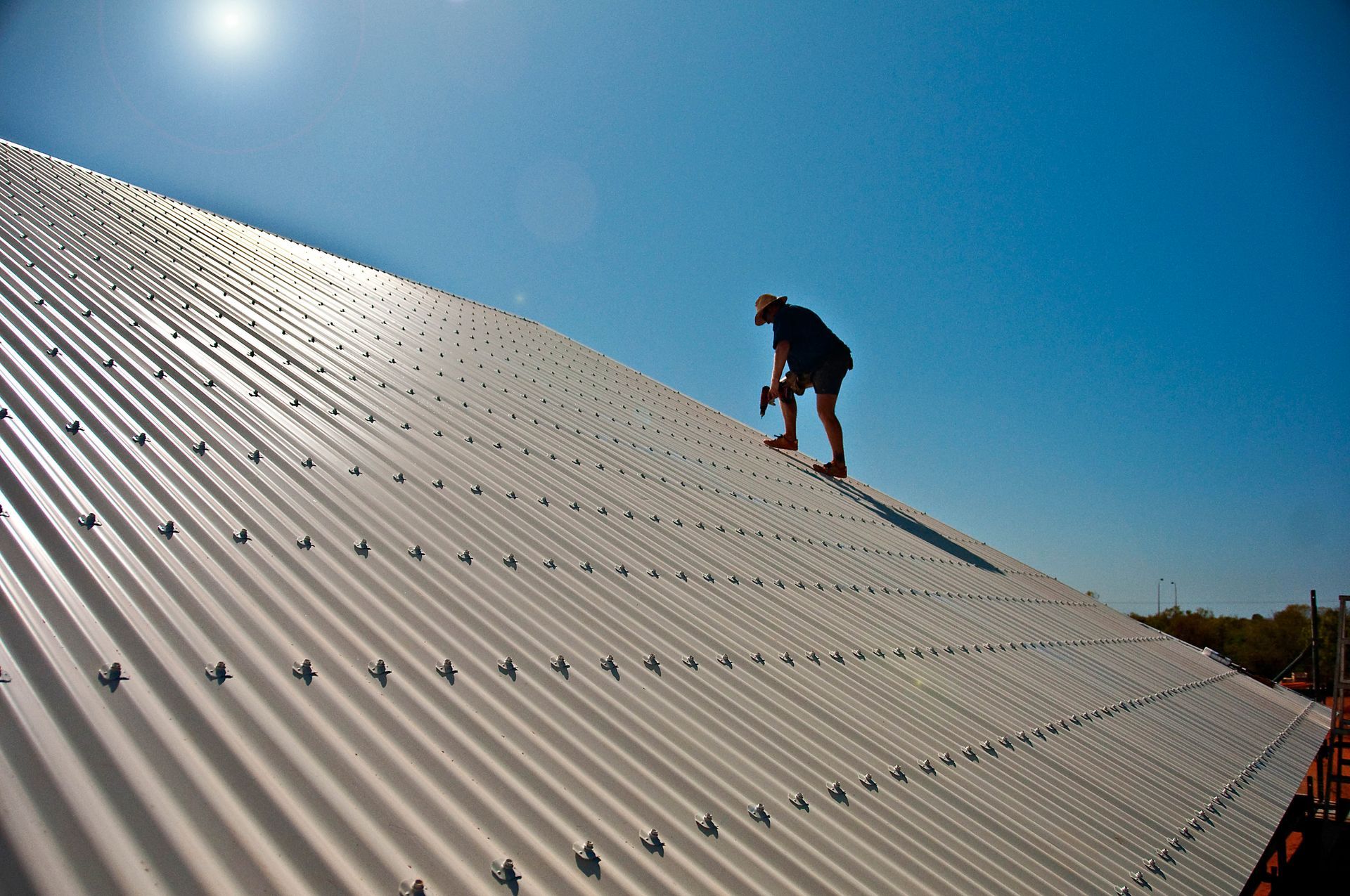
Metal roofs have become increasingly popular in residential and commercial construction because they combine modern style, long-term durability, and consistent performance across a wide range of weather conditions. Once used mainly for agricultural and industrial buildings, they are now a flexible option for homes of all styles, offering strong visual appeal along with energy efficiency benefits. As demand grows for roofing materials that balance appearance and function, many homeowners turn to a roofing company to explore the advantages of metal roofing.
Choosing the Lasting Protection
One of the primary reasons metal roofs continue to grow in popularity is their long service life. Unlike many traditional roofing materials that may require replacement after a few decades, metal roofs can often last 40 to 70 years when properly installed and maintained. This extended lifespan makes them a practical option for homeowners looking to reduce long-term replacement costs and avoid frequent roof replacements.
Metal roofing is engineered to perform well under a wide range of environmental conditions. Heavy rain, snow accumulation, strong winds, and prolonged sun exposure are all factors that can weaken traditional roofing systems over time. Metal roofs, however, are designed to resist these stresses while maintaining structural stability. Their resistance to cracking, warping, and moisture penetration helps preserve the integrity of the roof over decades of use.
Another key benefit is reduced maintenance-related disruption. Because metal roofs are built for durability, homeowners typically spend less time dealing with recurring repair issues. When installed by a qualified roofing company, a metal roofing system can provide consistent performance while maintaining its structural and visual quality for many years.
Improving the Energy Savings
Energy performance is another major reason homeowners choose metal roofing. Unlike darker or more absorbent roofing materials, metal reflects a portion of solar radiation. This reflective property helps reduce heat buildup in the attic and living spaces, contributing to more stable indoor temperatures during warmer months.
As a result, cooling systems do not need to operate as frequently or as intensely to maintain comfortable conditions. This reduced workload can lead to lower energy consumption, especially in regions with long or hot summers. Over time, this can contribute to meaningful reductions in monthly utility costs.
According to This Old House, certain metal roofing systems may reduce annual energy expenses by up to 40 percent depending on climate, insulation, and system design. While results can vary, this potential efficiency gain is one of the reasons metal roofing is often viewed as a long-term investment. A roofing company can help homeowners choose reflective coatings and finishes that further enhance energy performance based on local conditions.
Enhancing the Modern Appeal
Metal roofing has evolved greatly in both design and appearance. Today’s systems come in a wide range of colors, profiles, and finishes, making it easy for homeowners to match nearly any architectural style. This flexibility has helped metal roofing move beyond its industrial roots into mainstream residential use.
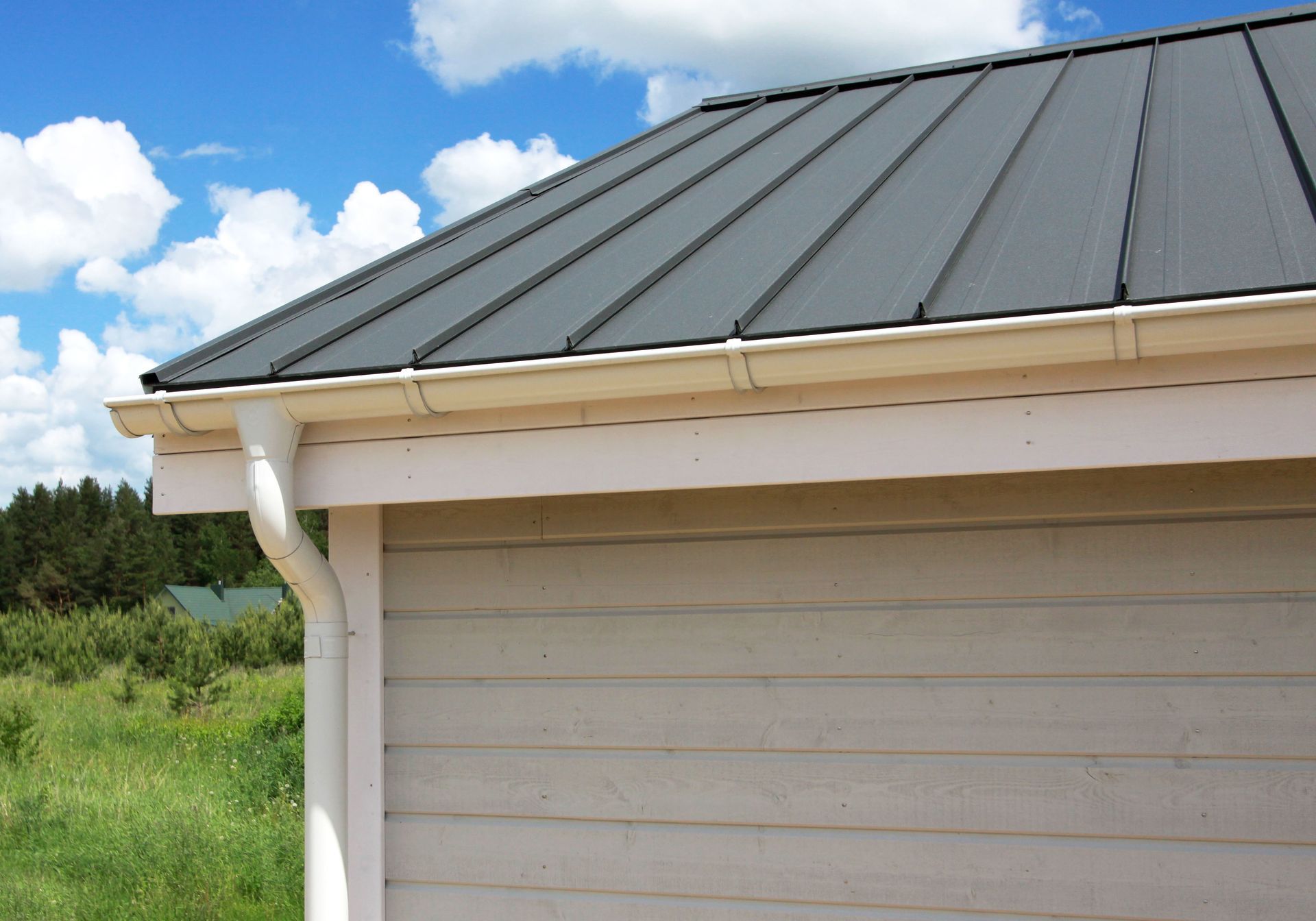
Standing seam roofing remains a popular choice due to its clean lines and modern look. Its vertical panel design creates a sleek, structured appearance that works well on contemporary homes. At the same time, metal shingles and tile-style options can replicate the look of slate, clay, or wood shakes while still offering the strength of metal.
This versatility allows homeowners to achieve their preferred style without sacrificing durability or performance. Whether aiming for a modern or traditional look, metal roofing offers adaptable options for many design preferences. Many homeowners working with a roofing company are often surprised by how customizable these systems have become.
Reducing the Maintenance Burden
Low maintenance requirements are another major advantage of metal roofing systems. Traditional roofing materials often require periodic repairs, inspections, and replacement of damaged sections due to weathering, aging, or environmental exposure. Metal roofing systems are designed to minimize many of these common issues.
Protective coatings play a major role in extending roof life. These coatings help prevent corrosion, fading, and surface wear caused by UV exposure and changing weather conditions. As a result, the roof maintains its appearance and structural performance for longer periods with less intervention required from homeowners.
Installation quality also contributes significantly to reduced maintenance needs. Interlocking panels and secure fastening systems help prevent water intrusion and reduce the likelihood of leaks forming over time. For most homeowners, routine inspections and occasional cleaning are sufficient to keep the system performing well, especially when installed by an experienced roofing company.
Increasing the Weather Resistance
Weather resistance is one of the most important strengths of metal roofing. Homeowners often face concerns related to storms, heavy rainfall, hail, and high winds, all of which can compromise traditional roofing systems. Metal roofs are specifically engineered to withstand these challenges more effectively than many conventional materials.
Interlocking panel systems and reinforced fastening methods improve overall stability and help reduce wind uplift during storms. This makes metal roofing especially suitable for regions that experience severe weather conditions or seasonal storms. Additionally, the smooth surface of metal roofing allows rain and snow to shed more efficiently, reducing the risk of standing water and moisture-related damage.
Fire resistance is another important advantage. Metal roofing is noncombustible, offering an added layer of protection in areas where fire risk may be a concern. When working with a roofing company, homeowners can select systems tailored to local climate risks, ensuring the roof performs reliably under regional conditions.
Supporting the Sustainable Building
Sustainability is becoming a major factor in modern construction decisions, and metal roofing aligns well with environmentally conscious building practices. Many metal roofing systems contain recycled content and are fully recyclable at the end of their lifespan, reducing overall construction waste and landfill impact.
The long lifespan of metal roofing also supports sustainability goals. Because these systems last significantly longer than many traditional roofing materials, fewer replacements are required over time. This reduces the demand for raw materials and lowers the environmental impact associated with manufacturing and transportation.
Energy efficiency further contributes to sustainability. By reflecting solar heat and reducing cooling demands, metal roofs help lower overall energy consumption. Homeowners seeking environmentally responsible building solutions often find that metal roofing provides a strong balance between performance, efficiency, and reduced environmental impact.
Shaping the Future With Innovation
Metal roofing continues to evolve as manufacturers develop new technologies that improve performance, appearance, and sustainability. These innovations are helping expand the role of metal roofing in both residential and commercial construction.
One of the most significant advancements is the integration of solar technology. Metal roofing systems are highly compatible with solar panels due to their structural strength and durability. Some systems are even designed to support integrated solar solutions, helping homeowners prepare for future energy needs while maintaining a clean roof appearance.
Manufacturing improvements have also expanded customization options. Homeowners can now choose from a broader range of colors, textures, and finishes, allowing for more personalized design choices. These advancements make it easier to match roofing systems with both modern and traditional architectural styles.
A roofing company can help homeowners navigate these options and select a system that fits both current needs and long-term goals. As innovation continues, metal roofing is expected to remain a leading choice for homeowners seeking durability combined with modern performance features.
Metal roofing continues to grow in popularity because it delivers a strong balance of durability, energy efficiency, design flexibility, and long-term value. Homeowners are increasingly prioritizing materials that provide reliable performance without constant maintenance or early replacement needs. Metal roofing consistently meets these expectations across a wide range of property types and climates.
As the construction industry continues shifting toward long-lasting and efficient materials, metal roofing remains a practical and forward-looking option. Its combination of strength, efficiency, and modern design ensures it will continue to be a preferred choice for homeowners seeking both function and visual appeal. Contact Roof Strong!