May 26, 2026
Choosing a new exterior material for a residential home presents a major decision for property owners. The roof requires strict consideration and detailed planning. Among the top materials available today, a few select options stand out for their widespread appeal. These structural options offer distinct benefits suited for various architectural styles. An informed homeowner makes better decisions when upgrading their roof. Replacing an older roof covering demands strict attention to detail.
Evaluating these prominent roofing materials involves weighing long-term viability, visual aesthetic appeal, and overall financial commitment. Homeowners weigh the classic aesthetic of traditional materials against the modern durability of contemporary panels. A knowledgeable roof company can guide you through this process with expert advice. Understanding the fundamental differences between these materials ensures a successful exterior renovation project.
Analyzing the Durability Factors
Durability remains a primary concern when selecting protective materials for a residence. Elements like severe winds, heavy rain, and harsh sunlight degrade inferior exterior materials over time. Homeowners desire a durable solution capable of withstanding these destructive forces. The inherent structural strength of the chosen product dictates the long-term safety of the dwelling beneath it. A resilient exterior surface prevents moisture intrusion and stops leaks.
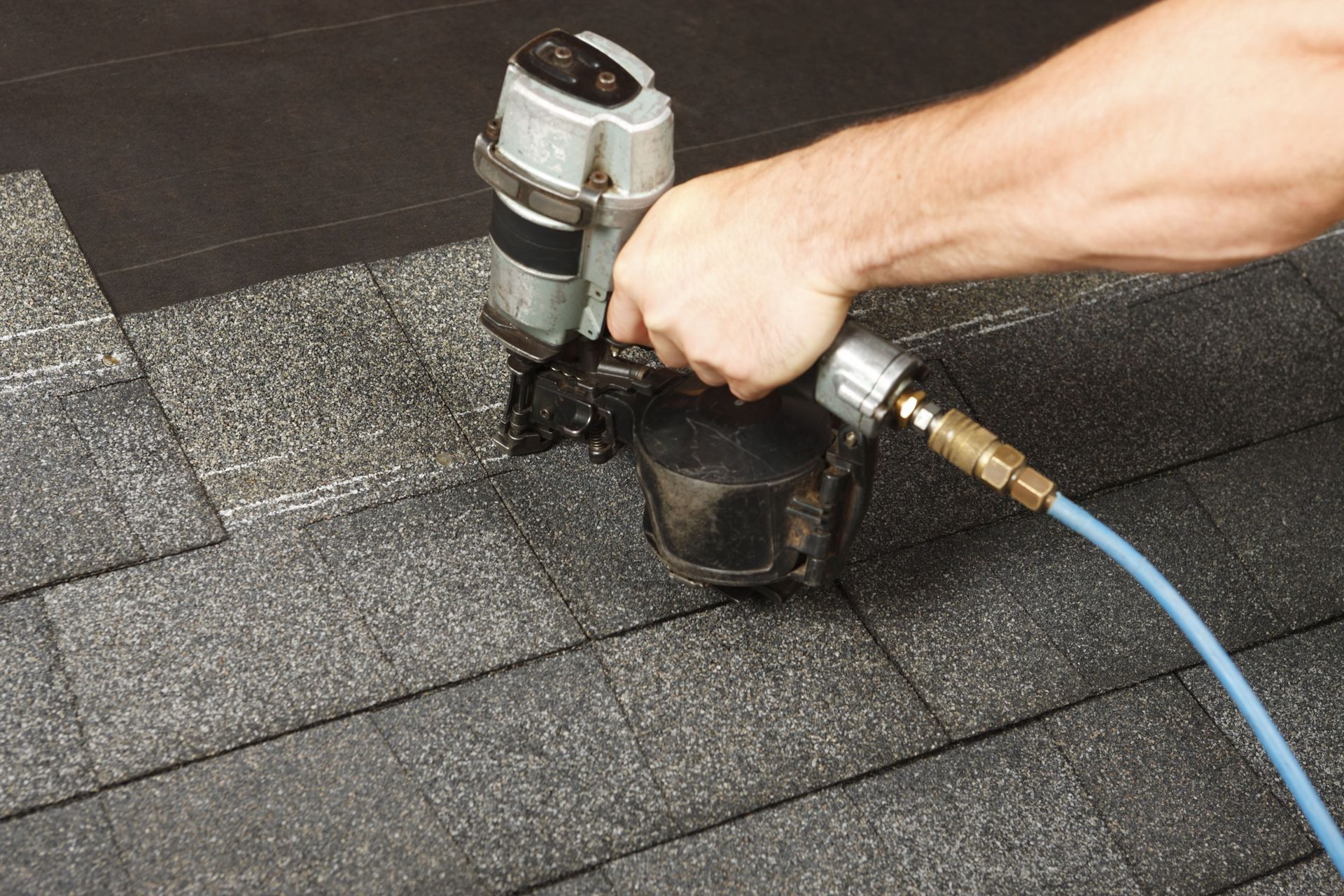
Traditional asphalt products provide reliable structural protection against standard weather patterns. Manufacturers design these items to shed water and resist moderate wind uplift under normal climate conditions. Intense heat and prolonged moisture exposure cause these materials to crack and curl as they age. This degradation requires constant vigilance to prevent future interior leaks. Regular inspections become necessary to identify compromised sections before minor issues escalate into major problems.
By contrast, modern metal systems exhibit exceptional resilience against extreme environmental stressors. These engineered architectural panels deflect hail, resist fire, and remain impervious to rot and pest infestation. According to This Old House, metal roofing can last 40 to 70 years on average. This impressive lifespan highlights the superior engineering of these durable structural systems. Such structural integrity gives property owners lasting peace of mind.
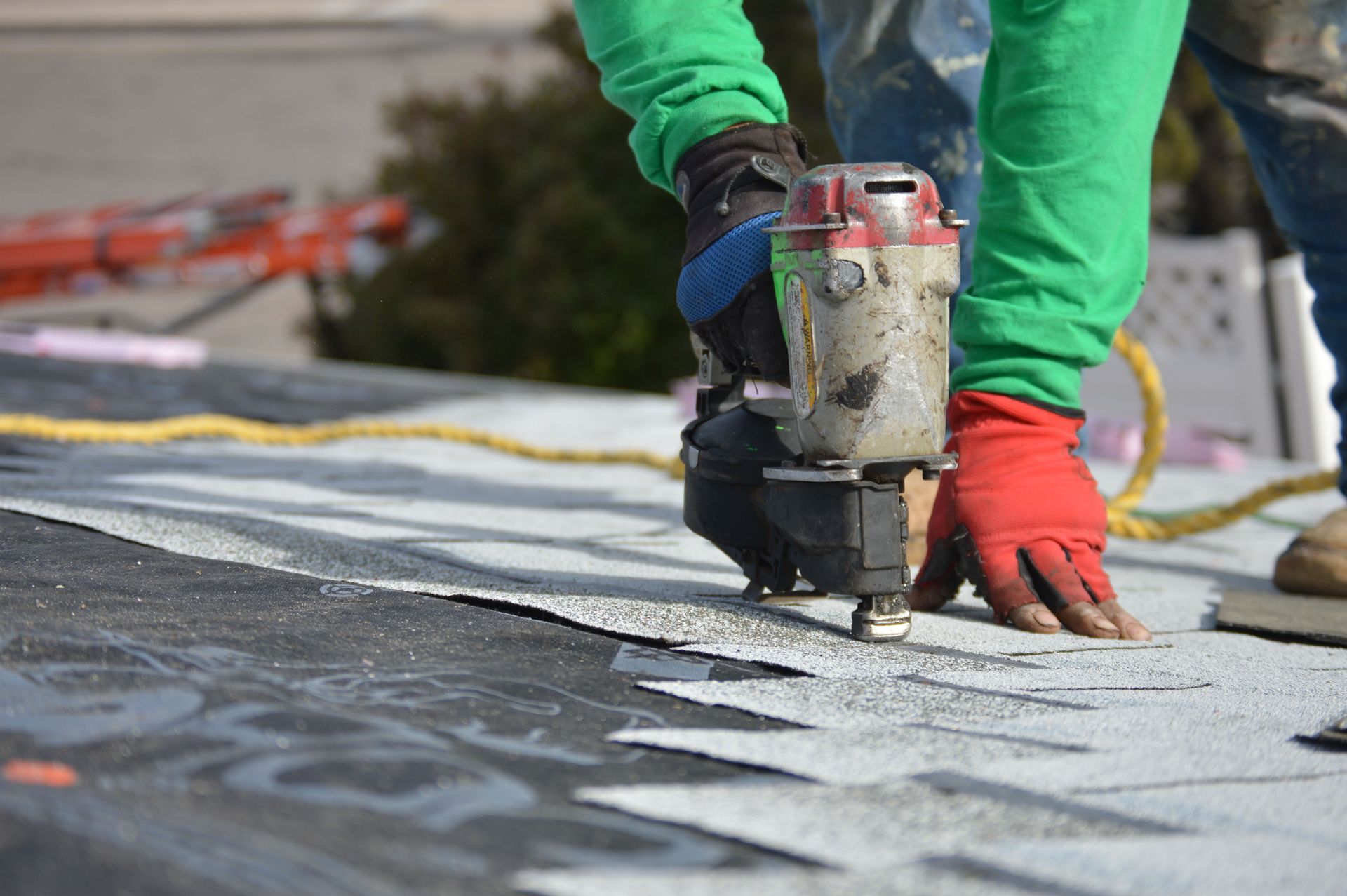
Selecting the most durable option requires expert consultation and detailed site evaluation. A local roof company assesses regional climate risks to recommend the appropriate material grade. Their technical expertise ensures the final installation meets specific regional building codes. Proper installation by skilled professionals maximizes the defensive capabilities of either chosen material. Contacting experienced local contractors guarantees the exterior system performs as designed.
Evaluating the Financial Investment
Financial considerations play a major role in home improvement design decisions. The initial cost of raw materials and skilled labor requires careful budgeting and long-term financial planning. Property owners must weigh the upfront purchase price against anticipated future maintenance expenses. Long-term property value often differs from the initial price tag attached to the project. Astute homeowners look beyond the basic purchase price to understand the total cost.
Traditional asphalt offers a lower entry point for budget-conscious property consumers. The basic manufacturing process and widespread national availability keep material costs affordable for the average consumer. Labor costs remain reasonable due to the straightforward standard installation process. Many families find this accessible price point appealing for immediate replacement needs. This baseline affordability makes traditional materials a common choice for residential exterior applications.
Metallic panels demand a higher initial capital expenditure from the property owner. Raw materials and specialized manufacturing processes drive up the purchase price of these advanced systems. Complex installation techniques require specialized tools and technical expertise, increasing labor expenses. Despite the high upfront cost, the extended lifespan offsets the initial financial shock. The long-term household savings often justify the substantial initial capital required.
Homeowners must calculate the total anticipated lifecycle cost of their material choice. Consulting a reputable roof company provides accurate financial estimates for the proposed project. Professionals break down the various costs associated with materials, labor, and future maintenance requirements. This detailed financial analysis helps families align choices with available household financial resources. A comprehensive custom quote allows for a fair comparison between differing material options.
Assessing the Aesthetic Appeal
Curb appeal influences property market value and overall homeowner daily satisfaction. The visual character of a modern residence relies on the color and texture of the materials covering it. Updating this dominant exterior element transforms the entire look of the property. The right aesthetic choice complements the architectural design and the surrounding neighborhood environment. Architectural visual harmony increases the future marketability of the property.
Asphalt products offer a familiar and classic visual appearance for residential structures. Manufacturers produce an array of colors and textures mimicking natural materials like slate and wood. This design versatility suits traditional, colonial, and rustic architectural building styles. Homeowners appreciate the subtle elegance these standard materials provide without drawing undue attention. Coordinating these textured materials with existing exterior siding proves effortless.
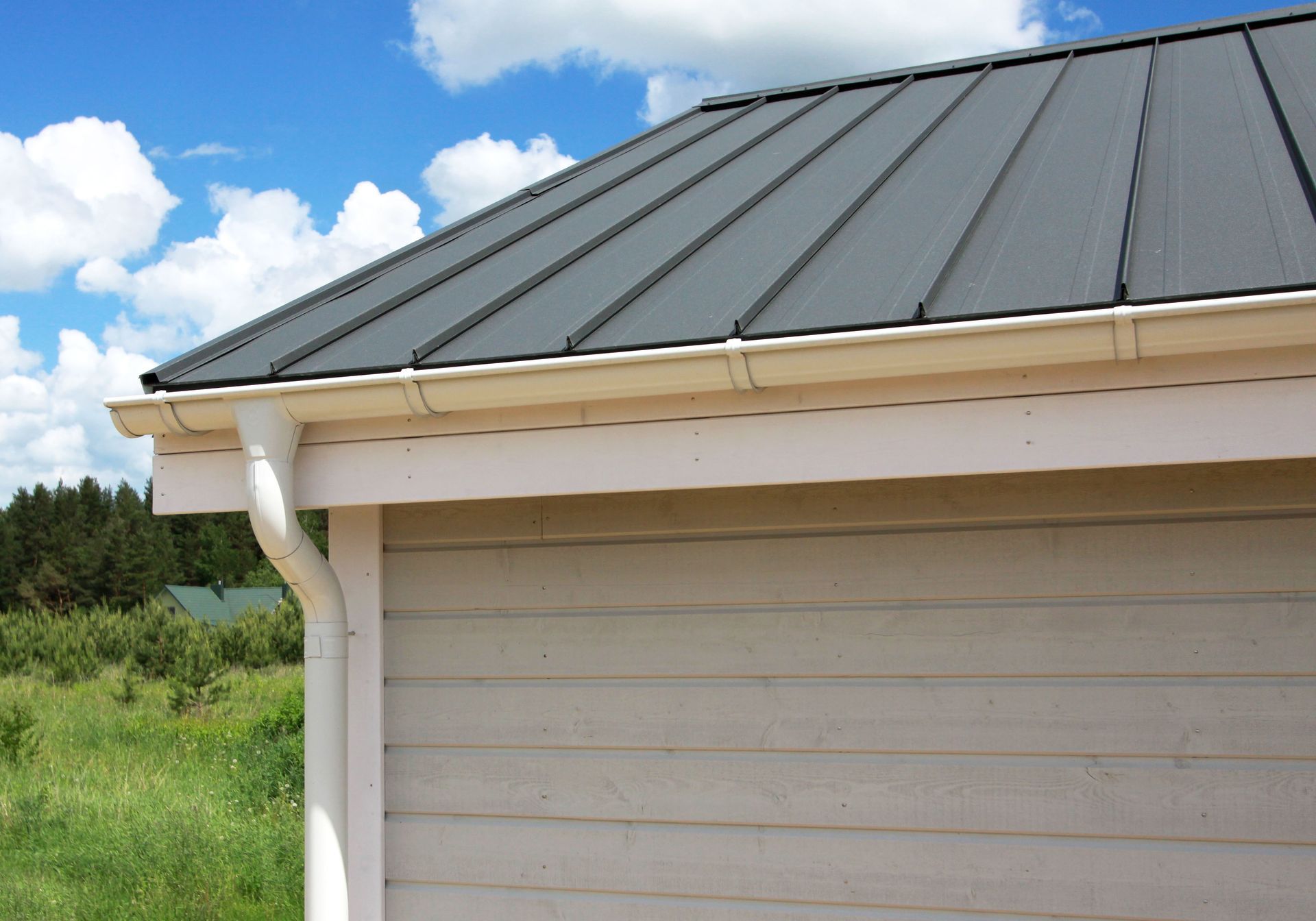
Modern metallic systems deliver a sleek and contemporary, bold visual impact. Standing seam modern designs feature clean lines and bold geometric architectural profiles. These contemporary systems come in vibrant custom colors, resisting fade despite prolonged sun exposure. The modern appearance complements contemporary structures and adds an industrial edge to modern farmhouse designs. Property owners seeking a distinctive custom aesthetic often prefer this striking architectural element.
Visualizing the final project result helps solidify the ultimate design decision. An experienced roof company provides comprehensive design portfolios and physical material samples for review. Examining physical samples in different lighting conditions ensures the selected color matches the siding and trim. Professional design guidance helps coordinate these visual elements for maximum curb appeal. A well-designed custom exterior elevates the aesthetic stature of the entire property.
Understanding the Environmental Impact
Environmental consciousness guides modern construction and residential exterior renovation choices. Property owners consider the ecological footprint of the building products they purchase. Material production, operational lifespan, and eventual safe disposal methods all contribute to the overall environmental impact. Sustainable green choices reduce landfill waste and conserve vital natural resources. Minimizing the ecological burden of basic home maintenance appeals to environmentally aware consumers.
Traditional options present distinct environmental challenges upon disposal and eventual replacement. The standard petroleum base of these materials complicates the recycling process at local waste facilities. When these items reach the end of their usable life, they consume space in landfills. Frequent material replacements compound this issue, increasing the overall ecological burden. These negative factors concern buyers focused on sustainable green living practices.
Alternative metallic panels offer significant positive environmental benefits for eco-conscious homeowners. Manufacturers incorporate high percentages of recycled scrap metal content into new architectural panels. At the end of their extensive lifespan, these durable products remain recyclable as scrap metal. This circular product lifecycle appeals to consumers seeking sustainable residential building practices. Choosing recyclable building materials diverts tons of construction debris from overburdened municipal landfills.
Energy efficiency further separates the environmental impact of these distinct material choices. Certain reflective paint finishes bounce solar heat away from the structure, reducing cooling demands during summer months. A qualified roof company can explain the certified energy ratings of specific products and finishes. Making an environmentally sound choice benefits the planet and lowers household utility bills. Integrating energy-efficient materials creates a sustainable environment.
Selecting the ideal protective exterior barrier requires balancing competing priorities and design preferences. Traditional and modern structural options offer distinct advantages tailored to distinct homeowner needs. Standard materials deliver baseline affordability and classic aesthetics for immediate renovation projects. Contemporary panels provide unparalleled material longevity and environmental benefits for long-term property investments. A well-considered material decision enhances the safety, beauty, and market value of the residence.
Navigating this complex design decision requires accurate information and solid professional support. Partnering with a dedicated roof company ensures a seamless transition from material selection to final installation. Skilled local contractors possess the knowledge needed to execute the project with precision and care. Your home deserves a resilient and beautiful roof protecting it from the elements. The right exterior shield provides lasting comfort. Ready to upgrade your home's exterior? Contact Roof Strong, our reliable roof company, today for a personalized consultation and expert installation.